EK7 Game APK Updates: Keeping Your App File Current
EK7 Game APK Updates: Keeping Your App File Current
Mobile application development requires continuous software maintenance cycles to address evolving security standards, optimize device compatibility parameters, and eliminate software runtime bugs. Operating outside traditional app market ecosystems means Android device users must take an active role in managing their application updates manually. Neglecting regular software adjustments can lead to performance degradation, unexpected application crashes, and security vulnerabilities over time. This comprehensive guide highlights the core technical reasons for keeping your software build updated and provides clear installation protocols to maintain a current file version seamlessly.
Technical Merits of Regular Application Updates
Maintaining an up-to-date application architecture directly affects how reliably software components execute tasks on modern Android platforms. Software patches provide deep technical adjustments that go far beyond surface-level visual updates.
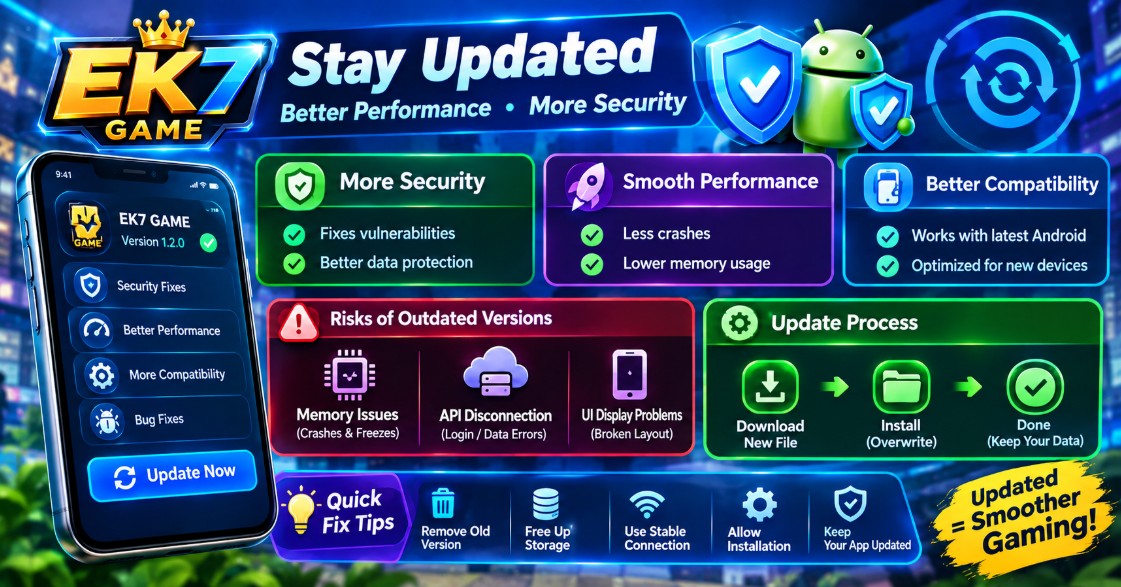
- Security Architecture Patching: Software revisions deploy updated data encryption standards and close unexpected system exploits, safeguarding localized device user data logs.
- Operating System Synchronization: Android frameworks receive continuous system updates, requiring application developers to alter deployment scripts to maintain seamless integration.
- Performance Parameter Tuning: Code adjustments optimize how background scripts interact with device processors, reducing memory draw and lowering internal operating temperatures.
Risks of Operating Outdated Archive Versions
Running obsolete archive builds forces devices to process outdated code blueprints that may conflict with modern network configurations. Recognizing these technical boundaries encourages timely file maintenance.
Severe Memory Allocation Crashing
Legacy software builds struggle to manage temporary storage indexes efficiently when confronted with modern server configurations. Over time, outdated asset-loading cycles can trigger internal system memory leaks, exhausting available device RAM rapidly during active usage sessions. This operational memory exhaustion causes the underlying Android framework to terminate application modules abruptly to prevent overall device freezing.
API Connection Expirations
Online casual game categories rely on continuous communication loops with remote cloud databases to refresh data metrics. Remote servers occasionally update their application programming interfaces (APIs) to improve transmission safety, automatically cutting off connections to older client software versions. Running outdated application files results in persistent connection timeout alerts, empty dashboard directories, and file generation failures.
UI Asset Disregard Errors
Newer display screen technologies utilize variable refresh rates and high-definition resolution layouts that require adaptive graphic rendering protocols. Obsolete file structures lack the coordinate rules to adjust text scaling or image alignment attributes cleanly across updated device screens. This discrepancy creates visual rendering lag, stretched application menus, and broken navigation button interfaces.
Systematic Manual Update Deployment Procedures
Manually modifying internal application structures requires careful execution to avoid throwing file corruption flags or losing local configuration settings. Following structured installation paths protects data integrity during updates.
Old Package Version Installed → Pull New Build from ek7apk.app → Overwrite Existing Directory → Verification Finished
- Verifying Current Build Versions: Checking your existing version parameters prevents redundant file downloads and helps pinpoint exactly when an update becomes necessary. Access your Android device’s Settings hub, navigate to the application management section, and select the platform name to view the active version code numbers. Compare this listed version against the current release metrics published on ek7apk.app.
- Securing the Current Package File: Acquiring current file revisions requires a stable data transfer environment to avoid file extraction faults later on. Tap the designated file download button on our homepage to pull the updated application package archive onto your smartphone storage directory. Ensure your web browser possesses sufficient system permissions to save incoming application files directly without triggering administrative network security blocks.
- Executing Overwrite Installation Routines: Android systems permit new package configurations to overwrite matching older builds directly, preserving local user profiles automatically. Click on the completed package archive inside your local file manager tool to launch the built-in system installer wizard. Select the Install confirmation response when the prompt window asks to update the existing application, and allow the background manager to replace outdated files seamlessly.
Troubleshooting Common Software Update Bottlenecks
Configuration anomalies sometimes disrupt automated file replacement routines, generating generic package management error alerts. Targeting specific technical causes clears these deployment hurdles quickly.
| Technical Blockage | Underlying Root Source | Target Correction Strategy |
|---|---|---|
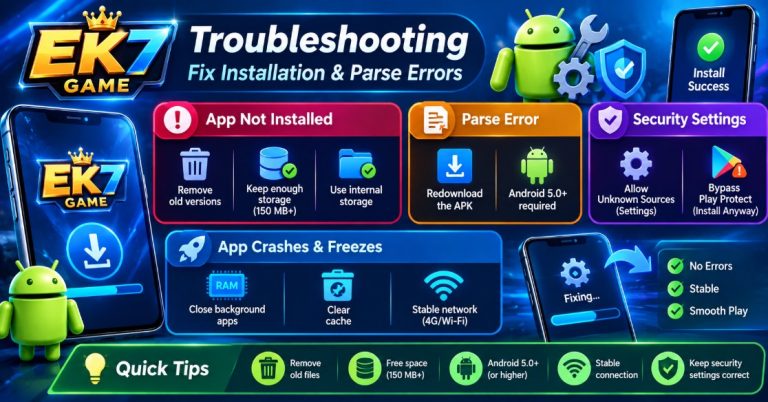
| Signature Mismatch Error | Conflicting file source certificates | Delete older versions completely and clean install |
| Storage Allocation Failure | Low unallocated internal space | Clear temporary device cache folders and obsolete data |
| Installation Blocked Alert | Automated scanner override flags | Bypass warnings inside the advanced choices menu |
Resolving Signature Mismatch Overlaps
Android platforms enforce strict digital verification protocols that block file installations if security signatures between old and new packages diverge. This error usually triggers if an older application file was sourced from an unverified or different internet location. Uninstalling the old build completely and clearing out residual system data folders before initializing the verified file from ek7apk.app bypasses this security check.
Clearing Local Directory Space
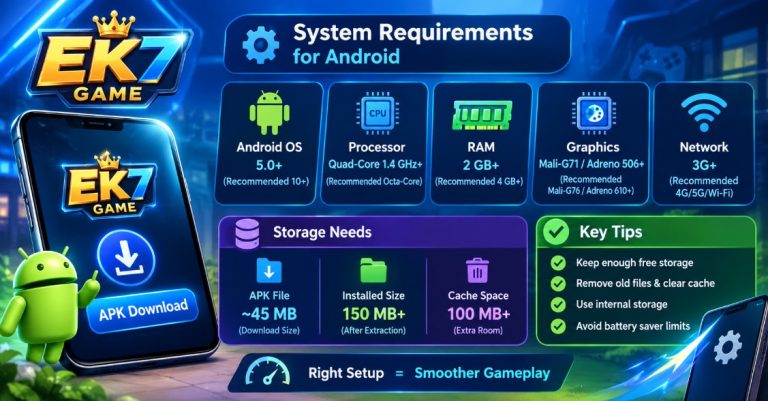
Decompressing updated software blueprints requires unallocated working memory room alongside the actual size of the application file. If your smartphone storage operates near its maximum limit, package installation routines terminate automatically to prevent critical device storage errors. Freeing up internal storage room by migrating photos or erasing obsolete device cache data ensures sufficient room for new files.
Final Update Strategy Summary
Maintaining an uncompromised, current software environment protects device operational stability and unlocks peak feature efficiency across all system modules. Regularly visiting ek7apk.app to review version releases, following clean overwrite installation steps, and maintaining healthy device storage space completely avoids widespread parse faults and setup errors. This structured operational discipline ensures your EK7 Game package remains completely current, secure, and fully optimized for long-term usage parameters.